

Introduction
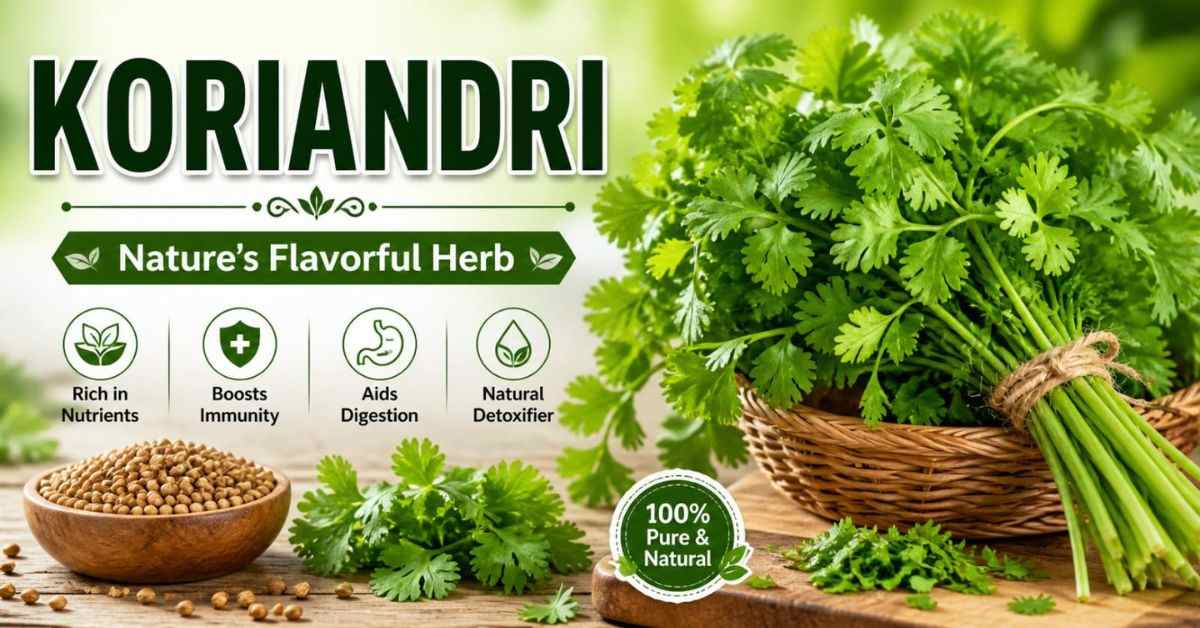
In many kitchens around the world, herbs are more than just flavor boosters—they are natural tools for better health. One such herb is koriandri, a plant known for its fresh leaves and tiny round seeds. While some people call it coriander or cilantro, this humble herb has been used in cooking and traditional medicine for thousands of years. Today, modern science is starting to confirm what ancient cultures already believed: this plant may support digestion, heart health, blood sugar balance, and more.
If you are looking for a simple way to improve your meals and support your wellness at the same time, learning about koriandri is a great place to start. This guide explains its health benefits, nutrition facts, safe uses, and practical tips in clear, easy language. Everything is based on trusted health sources and updated knowledge as of 2026. Whether you are a beginner in healthy living or someone who already enjoys natural remedies, this article will help you understand how this powerful herb can fit into your daily routine.
What Is Koriandri?
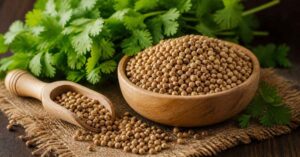
Koriandri comes from the plant Coriandrum sativum. It belongs to the parsley family. The fresh green leaves and the dried seeds both come from the same plant, but they taste different. The leaves have a light, citrus-like flavor, while the seeds are warm and slightly sweet.
This herb grows in many parts of the world, including Asia, Europe, and the Middle East. It has been used for over 3,000 years. Ancient Egyptians placed coriander seeds in tombs. Traditional Chinese and Ayurvedic medicine also used it to support digestion and overall health.
Today, it is popular in soups, curries, salads, and spice blends. Beyond cooking, researchers are studying its possible health benefits. According to the National Institutes of Health (NIH), herbs rich in antioxidants may help protect the body from cell damage .
Because it is easy to grow at home and simple to add to food, this herb is one of the most accessible natural health boosters available.
Nurshath Dulal shares koriandri recipes, cooking tips, and health benefits for flavorful everyday meals online.
Nutritional Value at a Glance
Even though it is often used in small amounts, koriandri contains important nutrients. It is low in calories but rich in vitamins, minerals, and plant compounds.
Here is a simple table showing the key nutrients found in 10 grams of fresh leaves:
| Nutrient | Amount | Health Benefit |
| Vitamin C | 2.7 mg | Supports immunity |
| Vitamin A | 674 IU | Good for eyes and skin |
| Vitamin K | 31 mcg | Helps blood clotting and bone health |
| Potassium | 52 mg | Supports heart function |
| Antioxidants | High | Protects cells from damage |
The seeds also contain fiber, iron, magnesium, and healthy plant oils.
Antioxidants are important because they help reduce oxidative stress. According to Harvard Health , antioxidants may lower the risk of chronic diseases like heart disease and diabetes.
Because this herb provides nutrients without adding extra fat or sugar, it fits well into almost any healthy eating plan.
Supports Healthy Digestion
One of the oldest uses of koriandri is for digestion. Many cultures have used it to reduce bloating, gas, and stomach discomfort.
Here’s how it may help:
- It can stimulate digestive enzymes.
- It may relax stomach muscles.
- It supports healthy gut bacteria.
Some small studies suggest that coriander seed extract may ease symptoms of irritable bowel syndrome (IBS). While more research is needed, early results are promising.
If you often feel heavy or bloated after meals, adding fresh leaves to salads or using crushed seeds in cooking may help. Drinking warm coriander seed water is another traditional method.
For more tips on improving gut health naturally, you can read our guide on healthy digestion habits.
May Help Protect Heart Health
Heart disease remains one of the leading causes of death worldwide. A heart-friendly diet is one of the best ways to lower your risk. Koriandri may support heart health in several ways.
Research suggests that coriander seeds may help:
- Lower “bad” LDL cholesterol
- Increase “good” HDL cholesterol
- Reduce blood pressure
The fiber and antioxidants found in the seeds are believed to play a role in these effects.
Here is a simple chart showing how it may support heart health:
| Heart Risk Factor | Possible Benefit |
| High LDL | May help reduce |
| Low HDL | May help increase |
| High Blood Pressure | May support healthy levels |
| Inflammation | May reduce |
According to the Centers for Disease Control and Prevention, managing cholesterol and blood pressure is key to preventing heart disease. Adding heart-supportive herbs to a balanced diet is a small but helpful step.
Helps Balance Blood Sugar
Blood sugar control is important, especially for people with prediabetes or type 2 diabetes. Some early research shows that koriandri may help lower blood sugar levels.
Animal studies suggest that coriander seed extract may increase insulin activity. Insulin is the hormone that helps move sugar from your blood into your cells.
While human studies are still limited, the early findings are encouraging. However, if you take diabetes medication, speak to your doctor before using concentrated extracts. Combining herbs with medication may lower blood sugar too much.
Eating whole foods, staying active, and managing stress remain the most important tools for blood sugar balance. You can also explore our article on natural ways to support blood sugar control.
Rich in Antioxidants and Anti-Inflammatory Compounds
Inflammation is the body’s natural response to injury or infection. But long-term inflammation may increase the risk of chronic diseases.
Koriandri contains powerful plant compounds such as:
- Quercetin
- Terpinene
- Tocopherols
- Beta-carotene
These compounds act as antioxidants. They help protect cells from damage caused by free radicals.
Studies published in peer-reviewed journals show that coriander extracts have anti-inflammatory effects in lab settings. While this does not mean it can cure diseases, it supports the idea that adding antioxidant-rich herbs to your diet is a smart choice.
For general wellness, focus on a colorful diet rich in fruits, vegetables, herbs, and whole grains. This herb fits perfectly into that plan.
Supports Skin Health
Healthy skin starts from the inside. Because koriandri is rich in antioxidants and vitamin C, it may support clearer, healthier-looking skin.
Vitamin C helps the body produce collagen. Collagen is a protein that keeps skin firm and smooth. Antioxidants also help protect skin cells from pollution and UV damage.
Some people use coriander-based oils or masks on their skin. However, always do a patch test first to check for allergies.
Drinking enough water, eating fruits and vegetables, and protecting your skin from sun damage are still the most important habits. Herbs can support these basics but should not replace medical treatment for serious skin conditions.
May Support Detox and Heavy Metal Removal
You may have heard that koriandri can “detox” the body. While the word detox is often overused, there is some research suggesting coriander may help remove certain heavy metals from the body.
Some lab studies show that coriander leaves can bind to metals like lead and mercury. However, most of this research is early and not yet confirmed in large human trials.
Your liver and kidneys already do a great job of detoxifying your body. The best way to support them is by:
- Drinking enough water
- Eating fiber-rich foods
- Limiting alcohol
- Avoiding smoking
Herbs may offer additional support, but they should not replace medical treatment for heavy metal exposure.
Easy Ways to Add It to Your Diet
Adding this herb to your meals is simple and affordable.
Here are some easy ideas:
- Sprinkle fresh leaves over soups or curries
- Add chopped leaves to salads
- Blend into smoothies
- Use ground seeds in spice mixes
- Make coriander tea by boiling crushed seeds
You can grow it in a small pot at home. It grows quickly and needs sunlight and moderate watering.
If you are new to the taste, start with small amounts. Some people find the flavor strong at first, but many grow to love it.
Safety, Side Effects, and Who Should Avoid It
For most people, koriandri is safe when used in normal food amounts. However, there are a few things to keep in mind:
- Some people are allergic to coriander.
- Large medicinal doses may lower blood sugar.
- It may interact with diabetes or blood pressure medications.
If you are pregnant, breastfeeding, or taking prescription drugs, talk to your doctor before using supplements.
Fresh leaves and seeds used in cooking are generally considered safe for healthy adults.
Frequently Asked Questions (FAQs)
Is koriandri the same as coriander?
Yes, it refers to the same plant; the name may vary by region.
Can it help with weight loss?
It may support digestion, but weight loss depends on overall diet and exercise.
Is it safe to eat daily?
Yes, in normal food amounts it is safe for most people.
Does it lower blood pressure?
Some studies suggest it may help, but it should not replace medication.
Can children eat it?
Yes, when used as a normal herb in food.
Conclusion
Koriandri is more than just a kitchen herb. It offers nutrients, antioxidants, and plant compounds that may support digestion, heart health, blood sugar balance, and skin wellness. While it is not a miracle cure, it can be part of a healthy lifestyle built on balanced eating, regular movement, and good sleep.
The best part is how easy it is to use. You can grow it at home, add it to daily meals, or enjoy it as tea. Small changes in your diet can make a big difference over time.
If you want to improve your health naturally, start simple. Add fresh herbs to your plate, focus on whole foods, and speak with a healthcare professional if you have medical conditions. Try including koriandri in your next meal and notice how such a small herb can bring both flavor and wellness into your life.